Making a Good Photograph
By: Daniel
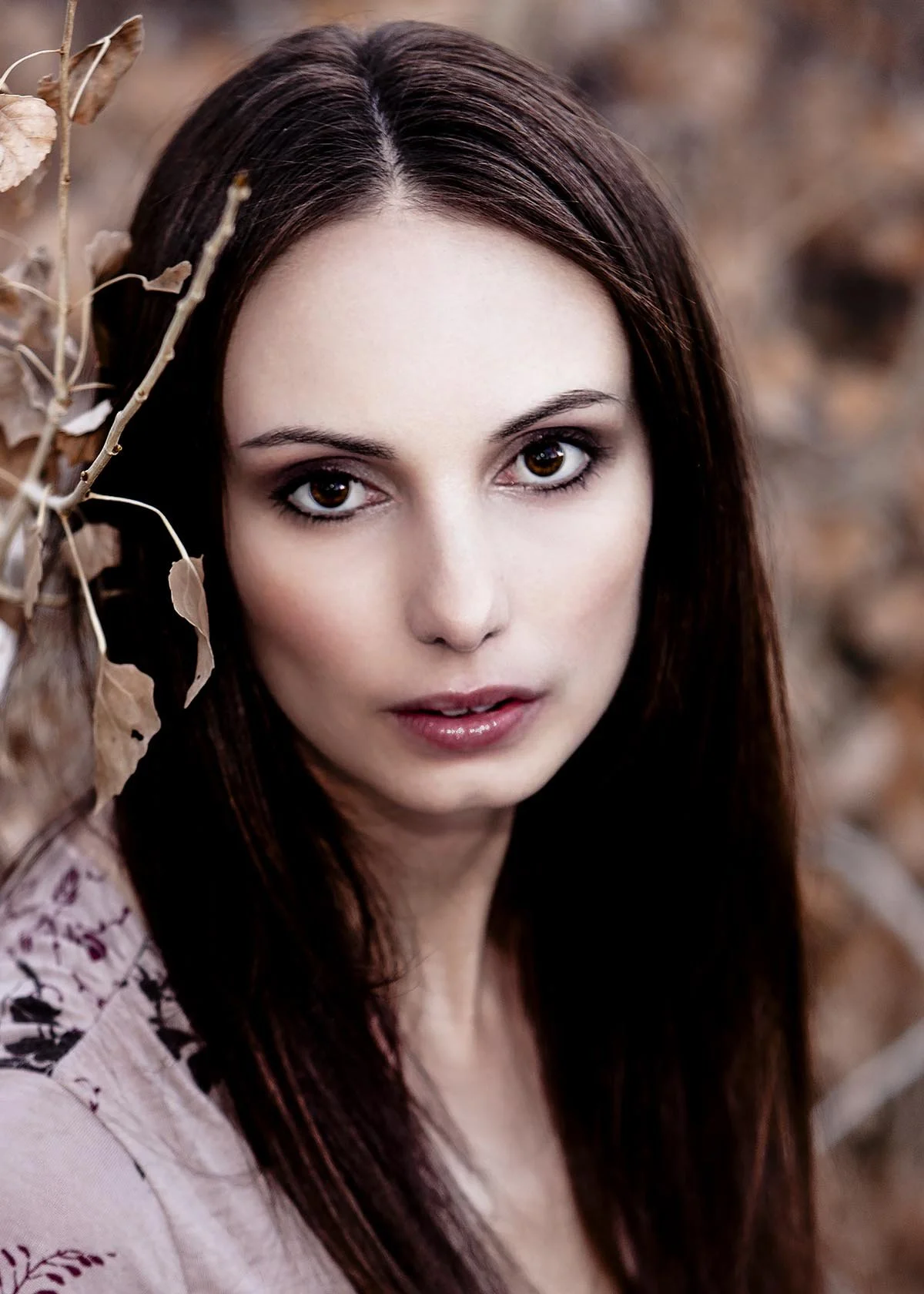
This is a topic that could take up pages and pages of a book. But, to keep matters simple, I’m going to skip a ton of technical aspects of making a good image. So, what makes a good photograph? Light. That’s it. One word “light.” And the one thing light creates: shadows. When I teach classes or workshops the first and last thing I convey to whomever I’m teaching is how to see and use light and shadows to create an image. Photography is about light. You cannot create a good photograph without good light. Since I’m primarily a people photographer, I’ll discuss lighting as it pertains to people. When photographing a person try to place them where the light is good or where you can create good light. I’m not a natural light shooter. I believe in adding light (fill or main), whether it be with a reflector or flash—on camera or off. So, if outdoors, and if possible, I’ll place my subject in an environment like a shaded area, under or near a tree or other object that creates a somewhat soft shadow, or under an overhang like a porch. Then I’ll fill in the shadows with just a kiss of light. Often a light-colored wall can provide a main or fill light that you need. Inside I’ll put them where the ambient (existing) light can either be used to my advantage or overridden by my own lighting. Look for where the shadows are relative to your subject. You don’t want dappled light hitting them, such as light coming through tree leaves. In many cases, I’ll place my subject in the shade of a tree where there is some light hitting their hair, which gives me a great hair light. No trees or shadows? Place a person where the sunlight is either behind them or coming at an angle from behind them. Don’t have your subject facing the sun. Light and shadows help you or hurt you when you’re making an image of a person, or an object. If you’re posing a person, the direction, or placement, of light or lights determines the pose or vice versa. You have to be aware of where the shadows fall, how dark they are and if they detract from or enhance your image. Typically, when making a photograph of a person, you’ll want to shoot into the shadow side of their face. The darkness of the shadow is subjective, but you want it to be a shadow that enhances rather than detracts. In the studio, where you’ll use strobe lights, you may use a main light, a fill light, hair light, back light, reflectors, etc. In a studio you have complete control of your lighting. Outdoors, you have to create that light control. It becomes absolutely essential to be able to “see light” when creating an image of a person indoors or out. You need to see the light in front of, on the person and behind the person. It’s something you’ll do every time you pick up your camera and look through your viewfinder at an individual in front of you. It’s up to you to determine if the lights and shadows are your friend or foe. It’s necessary to learn to see light in order to make a good photograph and that’s why lighting is the first and last thing I teach in my workshops and classes.
Daniel